Sectors
Deep expertise across
the energy landscape
We own and operate EHV networks across three sectors: IDNO, private networks, and transmission. Our focus is large-scale industrial and commercial infrastructure, not low-voltage housing estates.
IDNO Projects
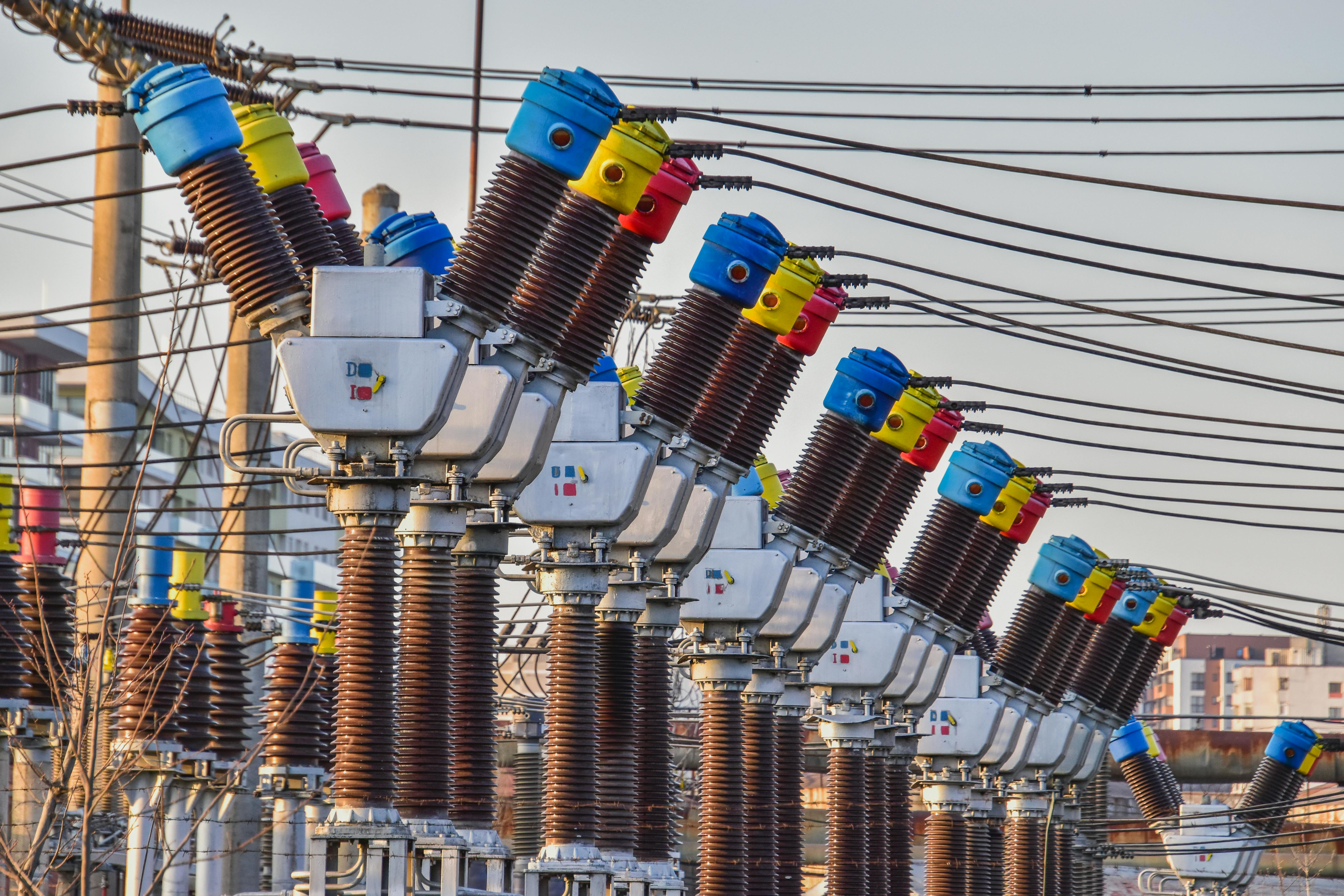
Arcform is applying for its IDNO distribution licence from Ofgem, with a focus on EHV-connected infrastructure for large-scale industrial and commercial customers.
Discuss your IDNO project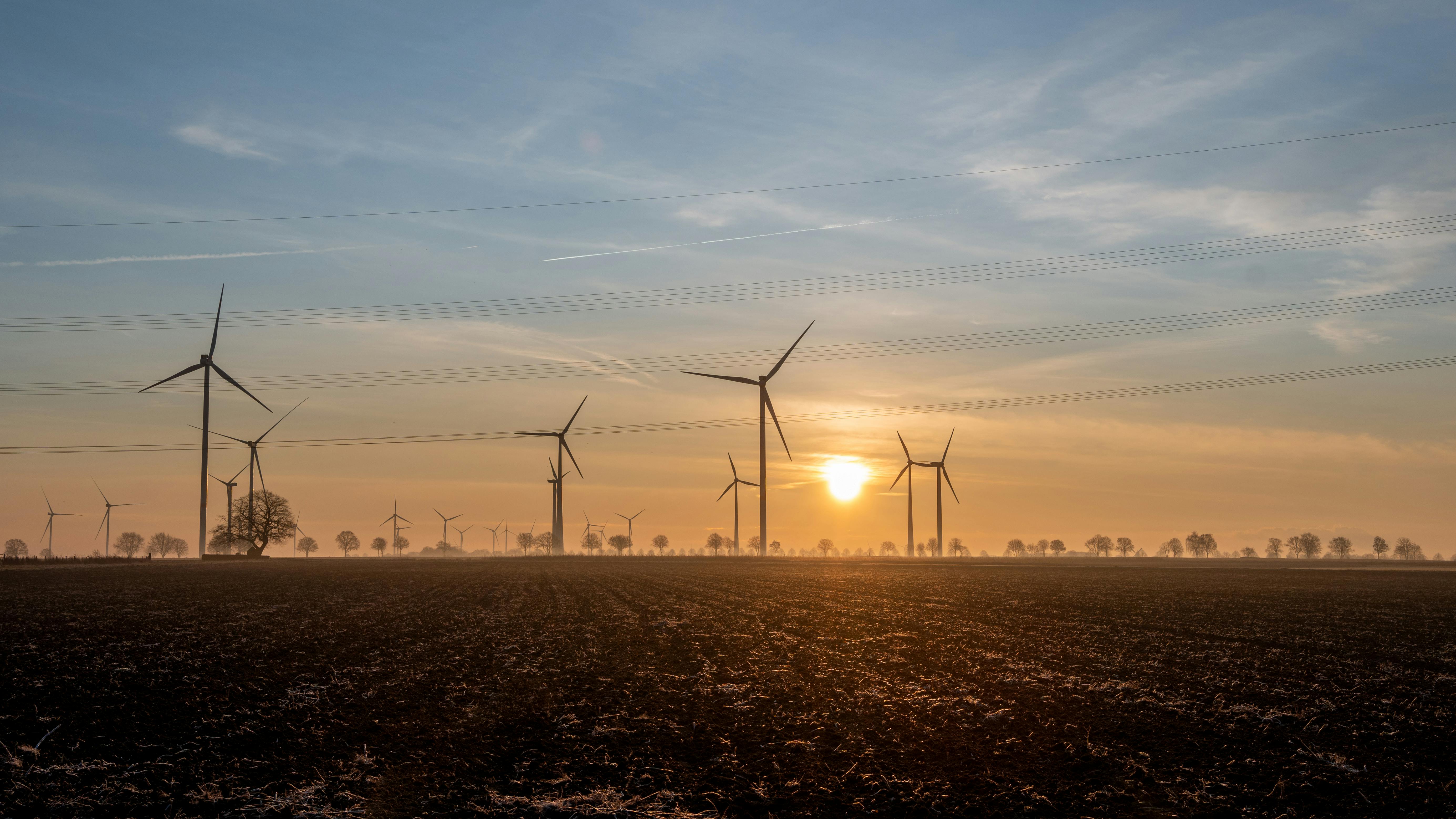
A different kind of IDNO
Most IDNOs adopt low-voltage networks for new housing estates. We are not interested in that market. Our focus is EHV distribution networks at 11kV and above, connecting large energy users, generation, and complex commercial sites to the public network.
Licence in progress. Arcform is applying for its IDNO distribution licence with Ofgem. Get in touch early if you have a project that will need adoption once we are licensed.
What we are building towards
Who we are looking to work with
Developers and owners of large-scale generation and industrial sites whose connection sits at EHV distribution voltage, and investors who need a specialist regulated owner for the network component.
Private Networks
Private wire networks are growing fast as large energy users look to cut costs and access renewable generation directly. We own and operate them for the long term.
Talk about private networks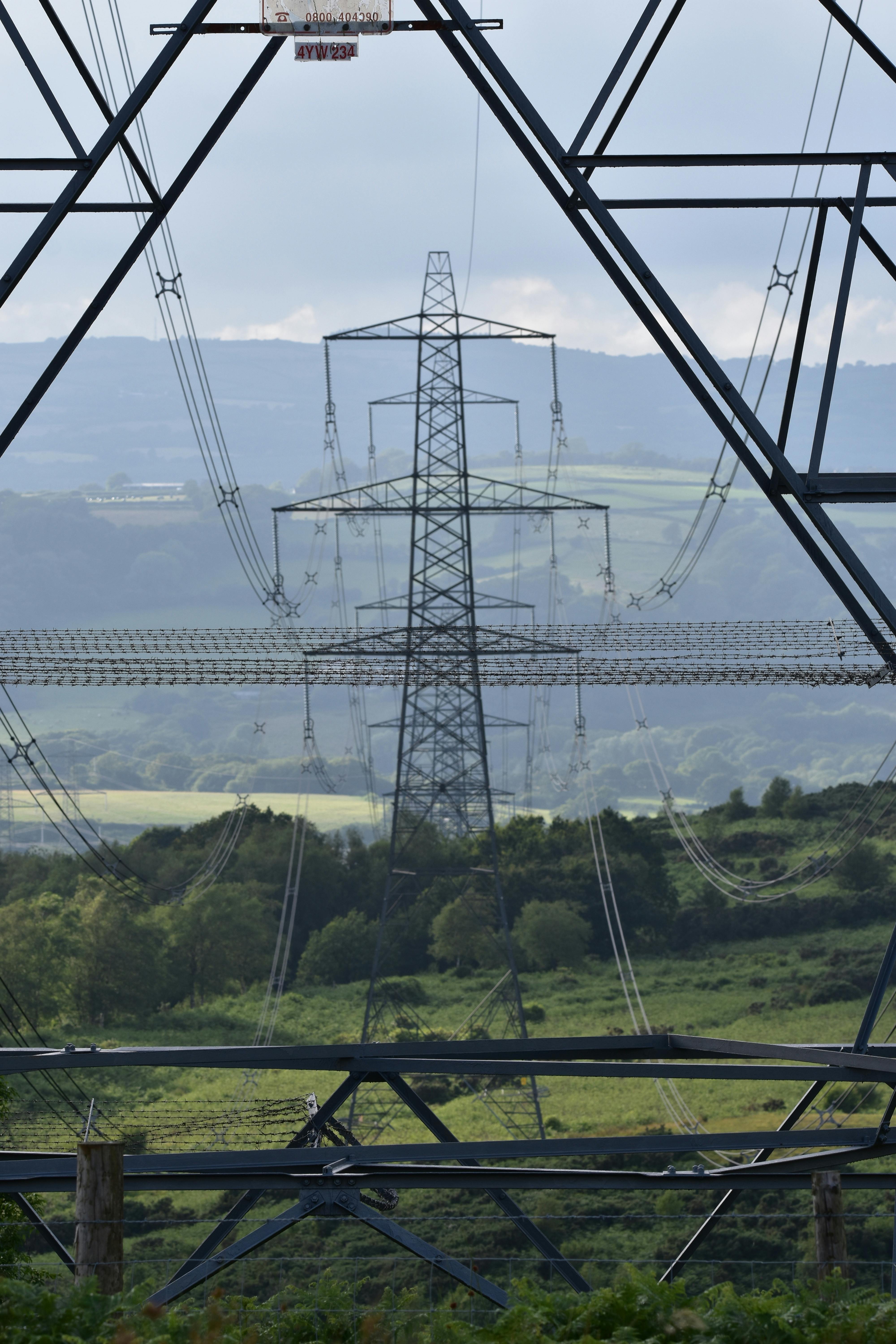
The private network landscape
Private networks carry power outside the public distribution system: from an on-site generation asset to a load, between buildings on a campus, or across an industrial estate. How well they perform directly affects the businesses that depend on them.
What we offer
The EHV difference. Most private network operators work at lower voltages. We specialise in extra-high voltage: 33kV, 66kV, and 132kV connections for the largest, most complex sites.
Typical private network clients
Data centres, industrial estates, university and hospital campuses, and logistics hubs with complex internal networks.
Transmission
Transmission-connected projects are the largest and typically most complex. We understand this area of the market both commercially and technically. We are focused on where new ownership opportunities are opening up.
Discuss transmission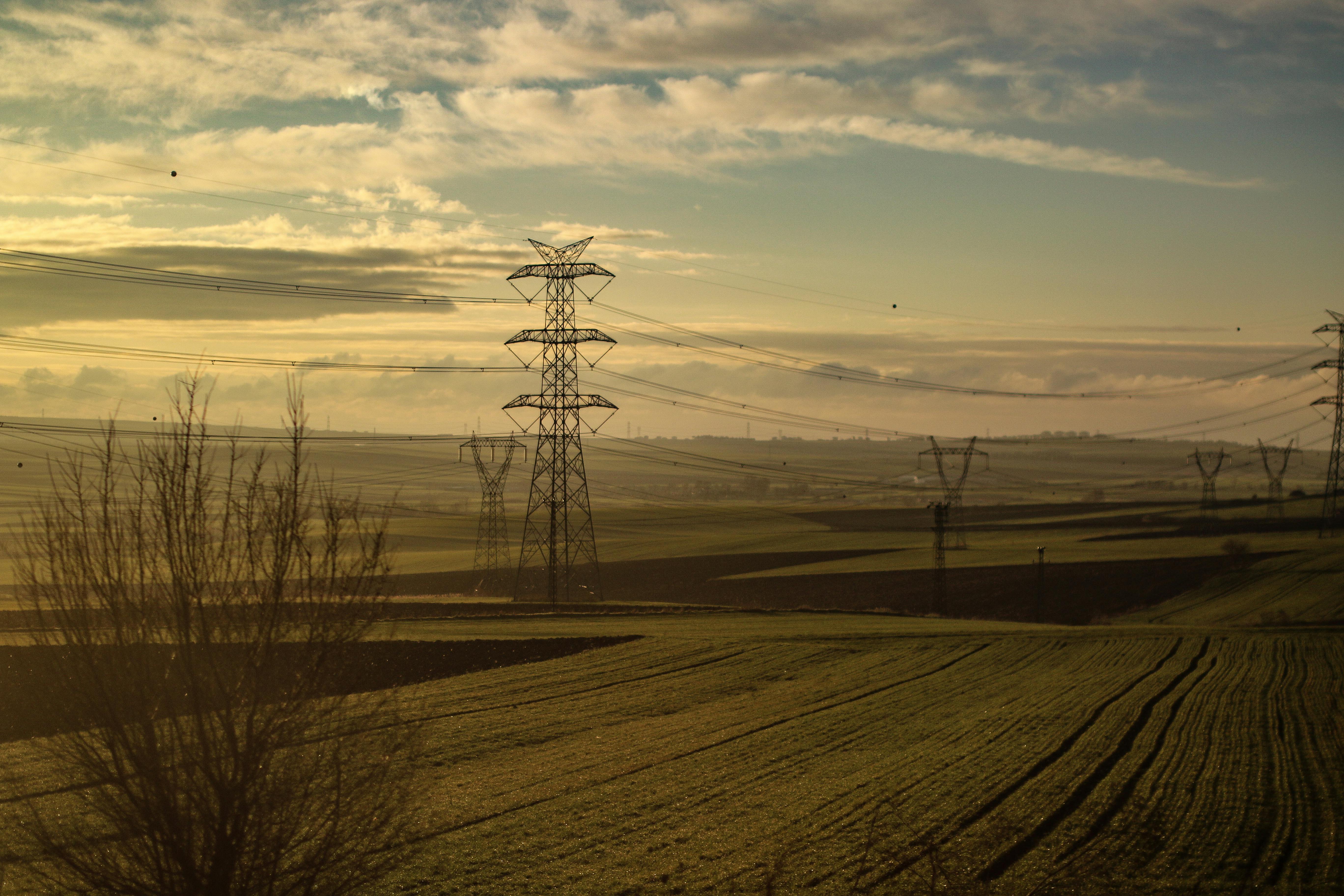
Transmission in the UK context
Britain's transmission system owned and operated by NGET in England and Wales, SPT in southern Scotland, SSET in northern Scotland. The system covers 275kV and above in England and Wales, and 132kV and above in Scotland.However, this is changing: early competition (CATO) is opening competition for new onshore transmission, and Ofgem's ITO consultation, is exploring new ownership routes beyond the three incumbents as part of demand connection reform. Arcform is well positioned to capitalise on these markets as and when they open up.
Our transmission focus
An emerging ownership route. Exemptions can already enable ownership of transmission-connected assets; new frameworks will open further routes.
Scale and complexity
Transmission projects are large, technically and commercially demanding, involving signifcant counterparty engagement. Our team brings decades of combined experience across major energy infrastructure, from origination to financing.
Ready to start?