Applications

Built for the most demanding energy applications

The energy transition is creating new classes of electricity infrastructure challenge — in storage, generation, and demand. Arcform's services are designed to address each one, with specialist EHV expertise that generalist consultants and contractors cannot match.

01

Energy Storage

Grid-scale battery energy storage systems are one of the most important and fastest-growing asset classes in the UK energy transition. They present a distinct and demanding set of network challenges — ones that Arcform is specifically equipped to address.

Discuss your storage project
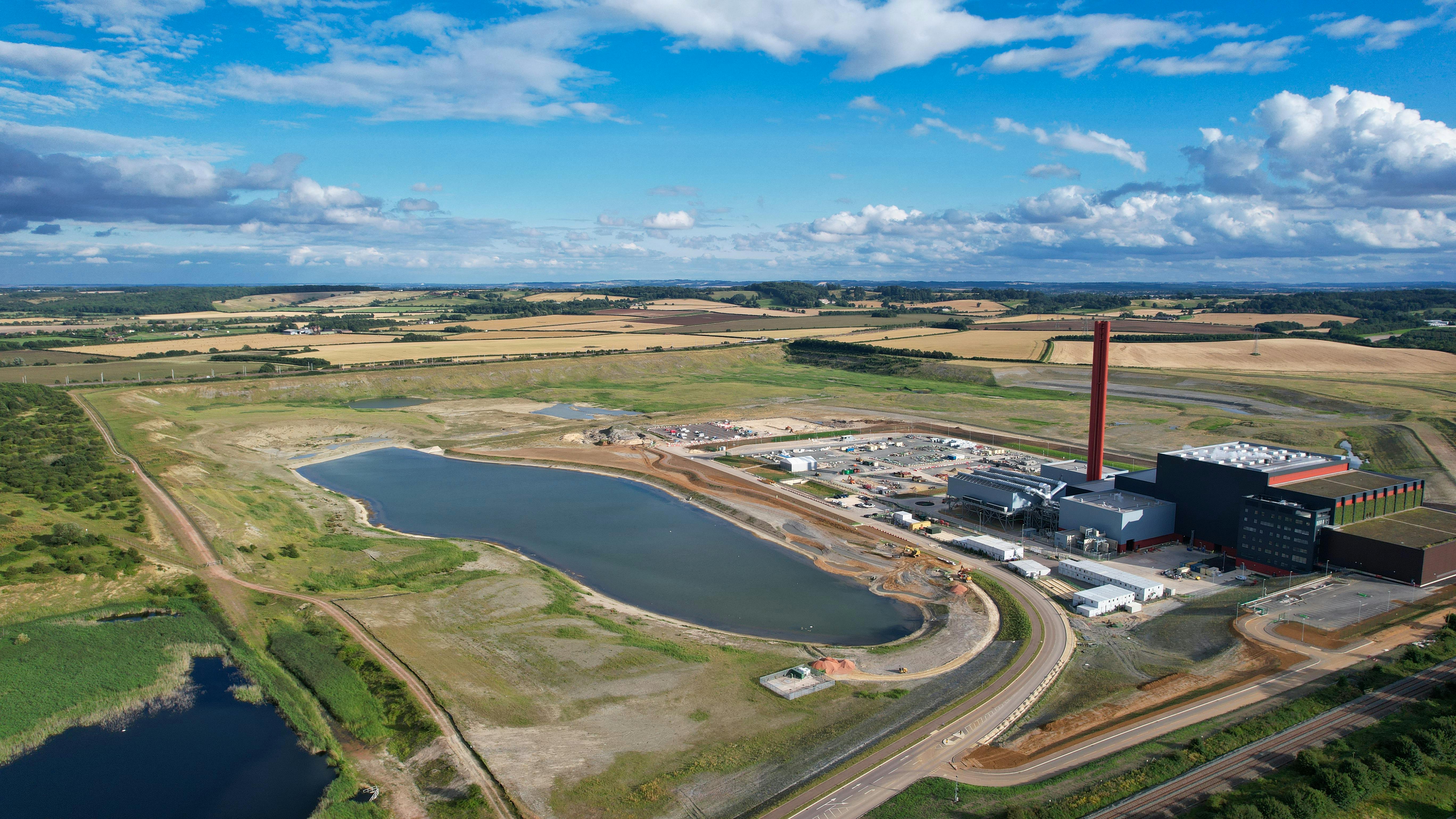
Grid-scale energy storage infrastructure

The storage connection challenge

Battery storage projects — particularly those over 50MW — require EHV connections that are fundamentally different in character from conventional generation or demand connections. They import and export power rapidly, often within seconds, and the connection must be designed to accommodate bidirectional power flows with precision. Grid code compliance for storage assets has evolved significantly in recent years and continues to change.

At the same time, the connection queue is long and competitive. Storage developers who do not understand the nuances of how to position their projects — technically and commercially — are at a significant disadvantage.

The challenge and our response

The challenge

Rapidly shifting power flows create demanding protection and control requirements that generic connection designs do not adequately address.

Our response

We design connection solutions specifically for storage profiles, with protection schemes tuned to the actual operating characteristics of the asset.

The challenge

Connection queue timelines are often misaligned with storage project development and financing milestones, creating investment uncertainty.

Our response

We provide realistic timeline assessments from the outset and manage the queue process actively to minimise delays and maximise predictability.

Co-location expertise. Increasingly, storage assets are co-located with generation — particularly solar — and the connection must serve both. We have experience structuring co-located connection arrangements that work technically and commercially for both asset types, including the complex metering and export management requirements these projects involve.

What we do for storage projects

Connection strategy and route-to-grid assessment for standalone and co-located storage assets
Grid code compliance assessment and technical submission preparation
Bidirectional power flow and protection scheme design input
Connection agreement review and negotiation
Network ownership for storage-connected infrastructure
Ongoing monitoring and performance optimisation for connected storage assets
Technical due diligence for investors in storage projects and portfolios
BESS Co-location Grid Code Flexibility Markets Frequency Response
02

Generation

Large-scale electricity generation — whether wind, solar, or other technologies — sits at the heart of the UK's energy transition. The network connections these assets require are among the most complex and consequential in the industry.

Talk about your project
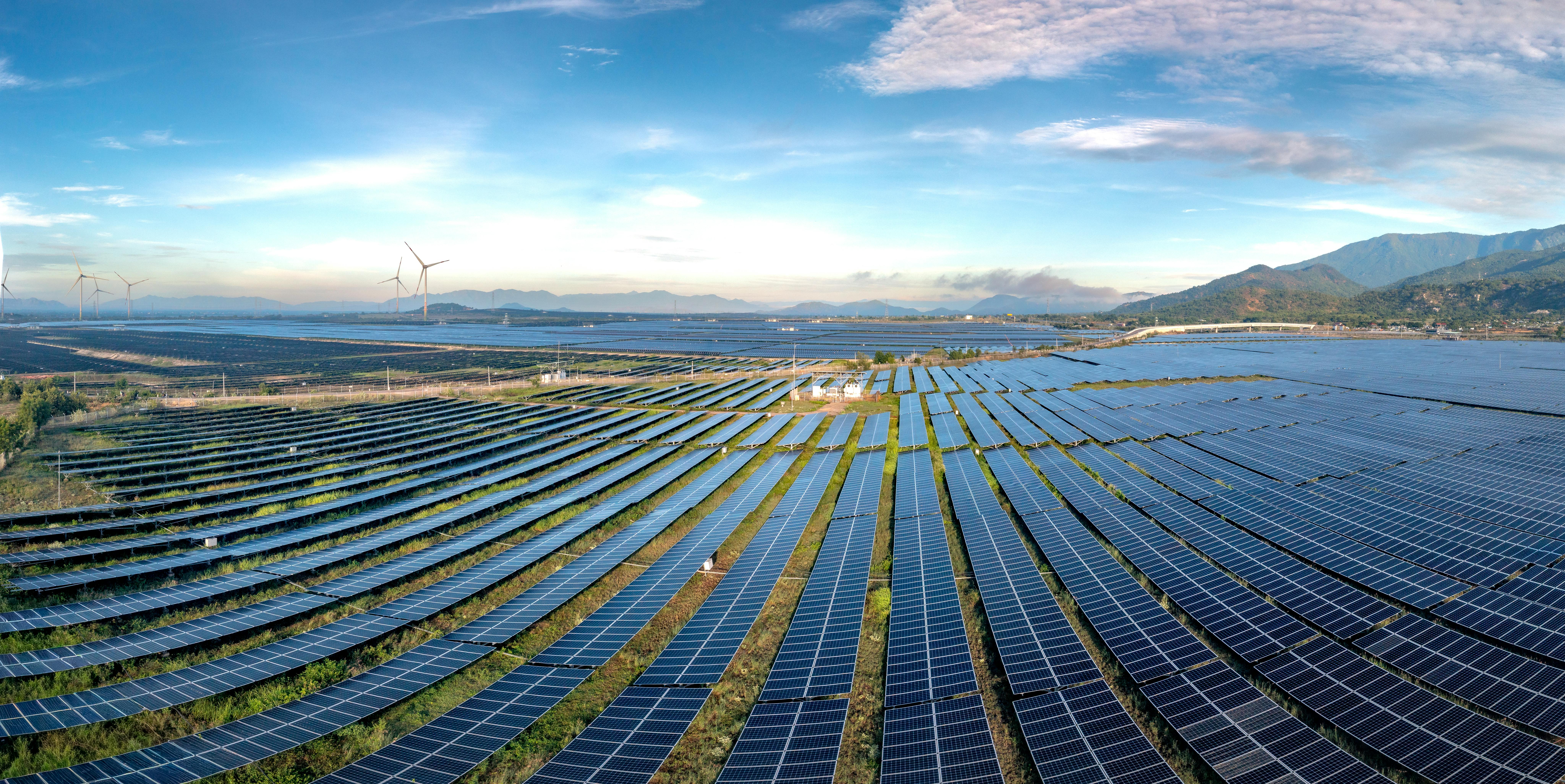
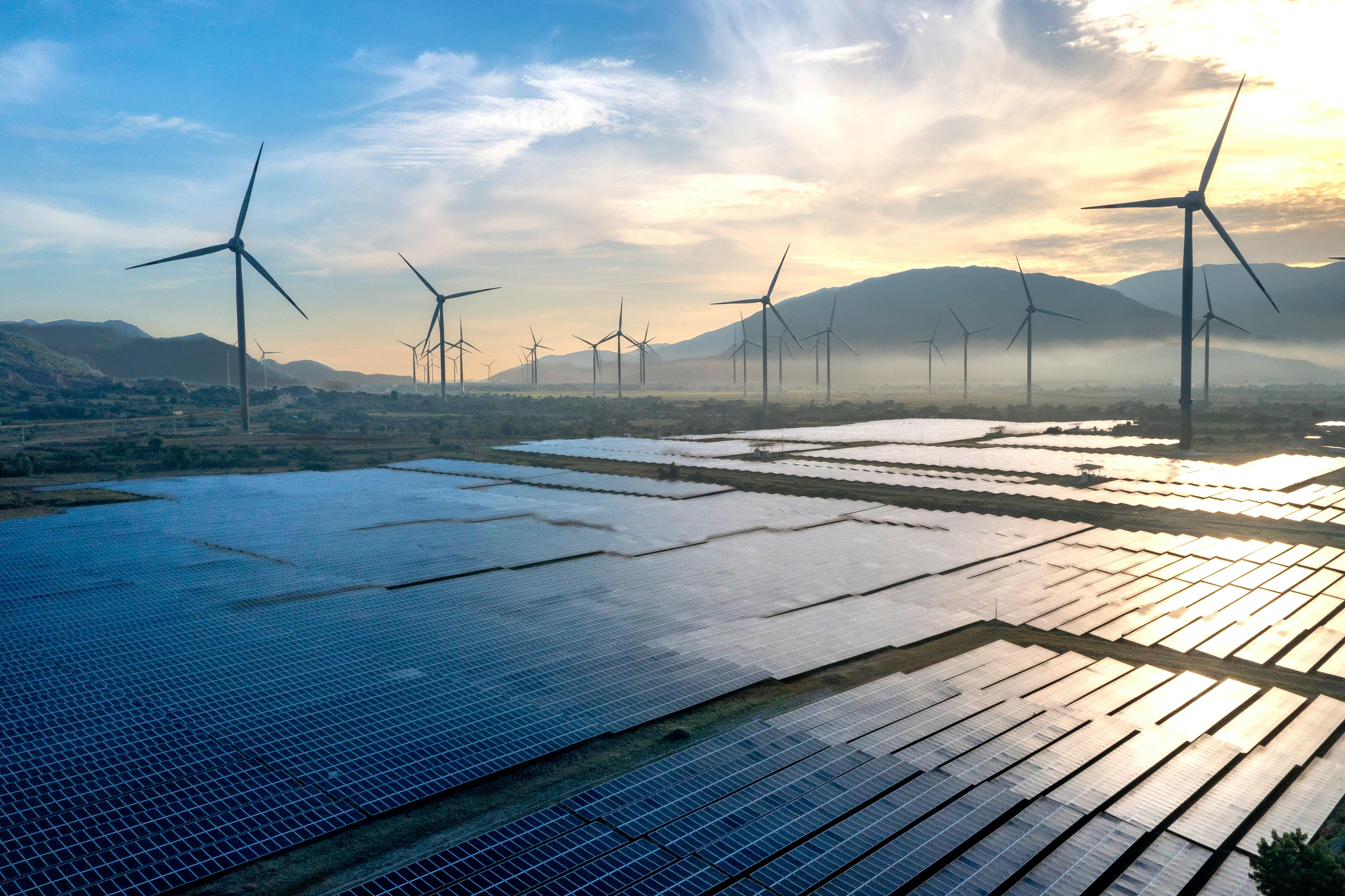
Aerial view of renewable energy landscape

Generation at scale

The UK's clean energy targets require substantial additions of new generation capacity — primarily wind and solar, but also flexible generation that can provide system services. Each of these projects requires a bespoke, carefully structured connection to the transmission or distribution network. The connection is not a commodity: it is a critical part of the asset's value.

Developers who treat the connection as an afterthought — or who rely on generalist advisers without deep EHV expertise — often find themselves facing delays, cost overruns, and connection agreements that constrain the asset's operational performance for decades.

Our generation services

Route-to-grid strategy for wind, solar, and flexible generation assets at distribution and transmission voltage
Feasibility and load flow analysis to support site selection and investment decisions
Grid code and engineering recommendation (ER) compliance
Connection application management and DNO/NESO interface
Export management and curtailment strategy to protect project revenue
Grid connection agreement review and commercial negotiation support
Network ownership and operation for generation-connected infrastructure
Technical due diligence and bankability support for lenders and equity investors

Protecting revenue at the connection. A poorly structured grid connection agreement can limit a generation asset's export capacity, impose unfair curtailment risk, or create commercial uncertainty that affects project financing. We review every connection offer with the asset's long-term revenue profile in mind — not just its technical compliance.

Technologies we support

Our generation connection expertise is technology-agnostic. We work with solar PV developers on distribution-connected subsidy-free projects, with onshore and offshore wind developers on transmission-connected assets, with developers of open-cycle and combined-cycle gas plant providing flexible capacity, and with emerging technologies including hydrogen-ready assets and advanced modular generation.

Onshore Wind Solar PV Offshore Wind Flexible Generation Hydrogen CHP
03

High Demand Users

The electrification of the economy — driven by AI infrastructure, EV charging, industrial decarbonisation, and digital growth — is creating a new class of high-demand electricity connection need. These are some of the most technically and commercially demanding connections in the system.

Discuss your requirements
High demand industrial energy connection

The new demand landscape

Demand for large-scale grid connections from non-generation users has grown dramatically. Data centres — particularly those supporting AI workloads — are seeking connections of 100MW, 200MW, and beyond. EV charging hubs for commercial and freight operators require significant dedicated infrastructure. Industrial facilities decarbonising their processes need new high-voltage connections where historically they may have relied on gas.

These demand-side projects create challenges that are materially different from those faced by generation developers. Network capacity, reliability, and commercial flexibility are paramount. The cost of connection — and the cost of getting it wrong — can be enormous.

What high-demand users need

Connection capacity that matches the load profile — not an off-the-shelf offer that leaves headroom unused or capacity constrained
Reliability arrangements that reflect the operational criticality of the facility — for data centres, in particular, connection resilience is non-negotiable
Commercial structures that give certainty over long-term network costs — avoiding unexpected charges that undermine business cases
Speed — demand-side projects often have aggressive construction and commissioning timelines that require connection processes to move quickly

Data centre expertise. We understand that a data centre's grid connection is not just a utility — it is a core component of operational resilience. We design and structure connections that reflect this: with the right level of redundancy, the right commercial protections, and the right technical standards for mission-critical load.

Our demand-side services

Connection strategy and site selection support for high-demand facilities — including grid capacity mapping
Connection application and negotiation — structuring offers that meet load, resilience, and commercial requirements
Private wire and on-site network design, ownership, and operation
Demand flexibility and demand-side response strategy
On-site generation and storage integration to improve resilience and reduce costs
Network cost optimisation — reviewing DUoS, TUoS, and connection agreement structures
Data Centres EV Charging Industrial Logistics Ports & Maritime Hydrogen Production

Tell us about
your project